This is Sarath from THINQ.FIT. You filled out a health assessment form with us a while back, and I never followed up properly. That’s on me.
So instead of a sales pitch, here’s something I wish someone had told me 6 years ago:
Rice doesn’t make you fat. Eating rice at the wrong time does.
After coaching 4,000+ Indian professionals (engineers at Google, doctors, HR leaders at Infosys, developers at Oracle), I’ve found one pattern that’s almost universal:
The people who struggle with weight aren’t eating too much rice. They’re eating it too late.
Here’s what we do with clients at THINQ.FIT:
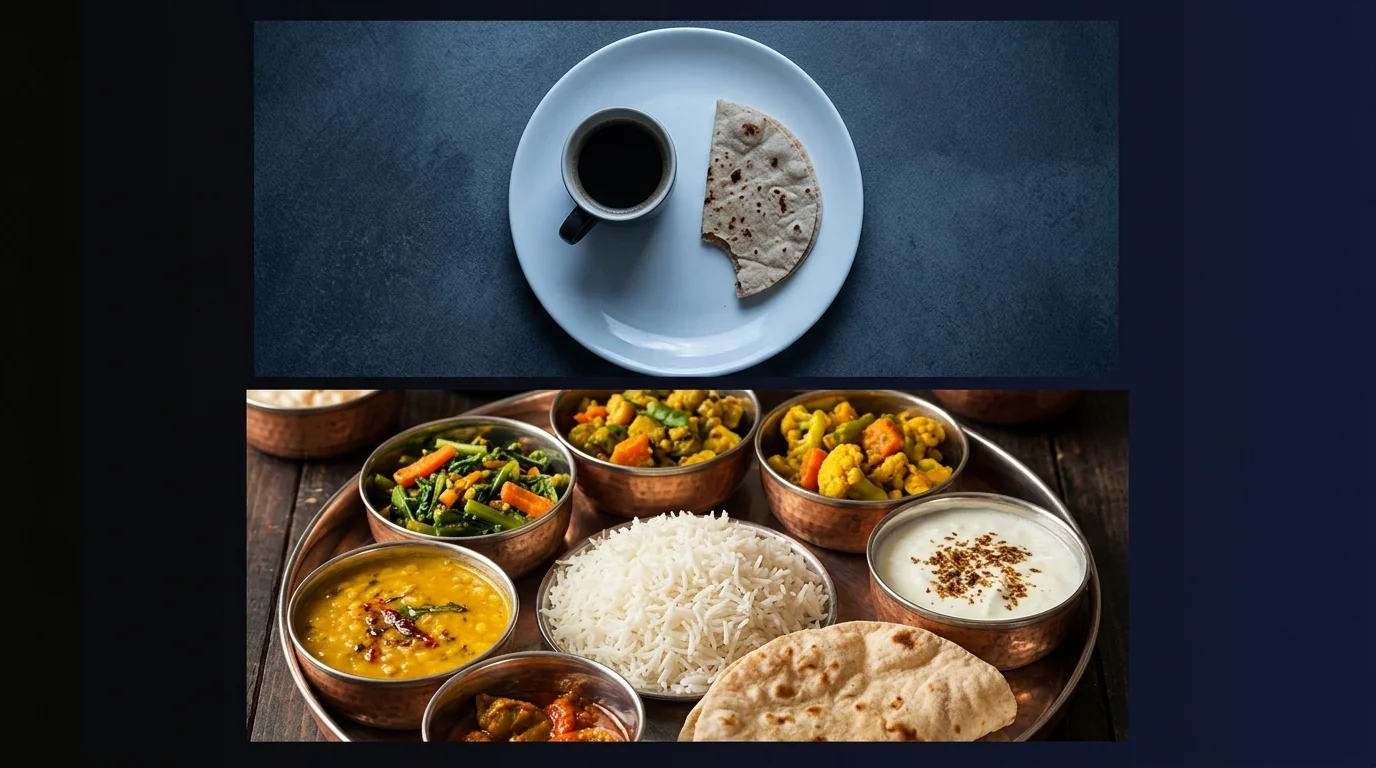
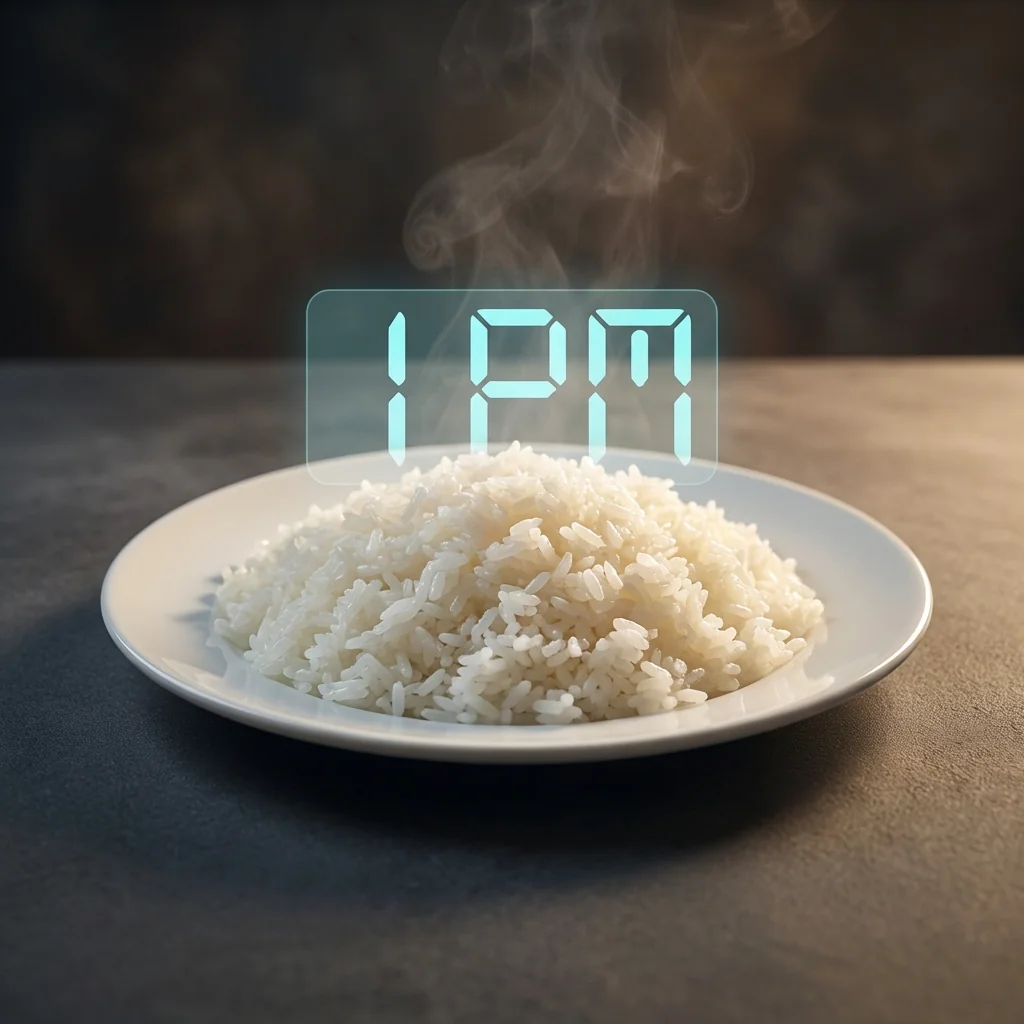
✅ Eat your largest rice portion at lunch (12–2 PM), not dinner.
That’s it. One change.
Why it works (the science)
Your body processes carbohydrates most efficiently when insulin sensitivity is at its peak, and this happens during midday. Eating the same plate of rice at 1 PM vs 9 PM produces measurably different metabolic responses.
A 2020 randomized controlled trial published in The Journal of Clinical Endocrinology & Metabolism (Gu et al.) found that eating the same meal late at night significantly raised blood glucose and reduced fat burning compared to eating earlier.
A 2024 meta-analysis of 29 RCTs in JAMA Network Open confirmed that people who consume more of their calories earlier in the day lose significantly more weight, even when total calorie intake is the same.
Meanwhile, a large cohort study in the Journal of Nutrition found that rice itself is not an independent driver of weight gain in Asian populations. It’s the overall meal pattern and timing that matters.
Real result: Appusamy, 44, Software Engineer at Oracle

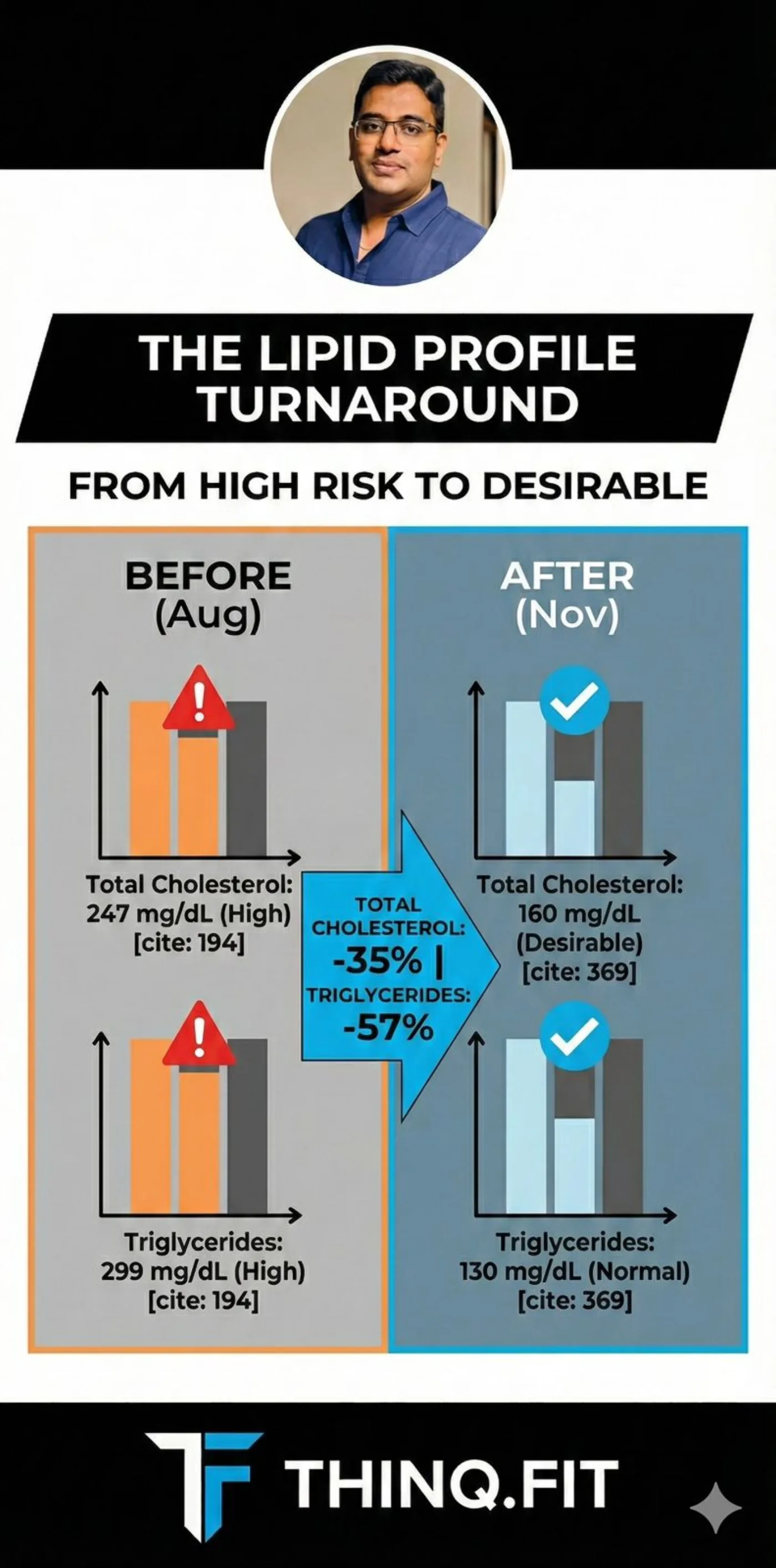
Appusamy came to us eating rice daily, as most South Indians do. Social media had him convinced he needed to quit carbs entirely. His lipid profile was alarming: total cholesterol at 247, triglycerides at 299.
Instead, we restructured when he ate, not what he ate.
In 3 months:
- Weight: Lost 11–12 kgs (90 kg → ~78 kg)
- Total Cholesterol: 247 → 160 (−35%)
- Triglycerides: 299 → 130 (−56%)
- LDL Cholesterol: 142 → 99 (−30%)
- HbA1c: 5.3%, textbook healthy
Studies referenced: Gu et al. (2020) JCEM • Liu et al. (2024) JAMA Network Open • Lim et al. (2021) J Nutr